Subluxation is a core concept within chiropractic and plays an important role in understanding musculoskeletal as well as nervous system complaints. Yet the word often raises questions. What exactly does a subluxation mean and what can chiropractic help in this? In this article, we explain this clearly and practically.


What is a subluxation?
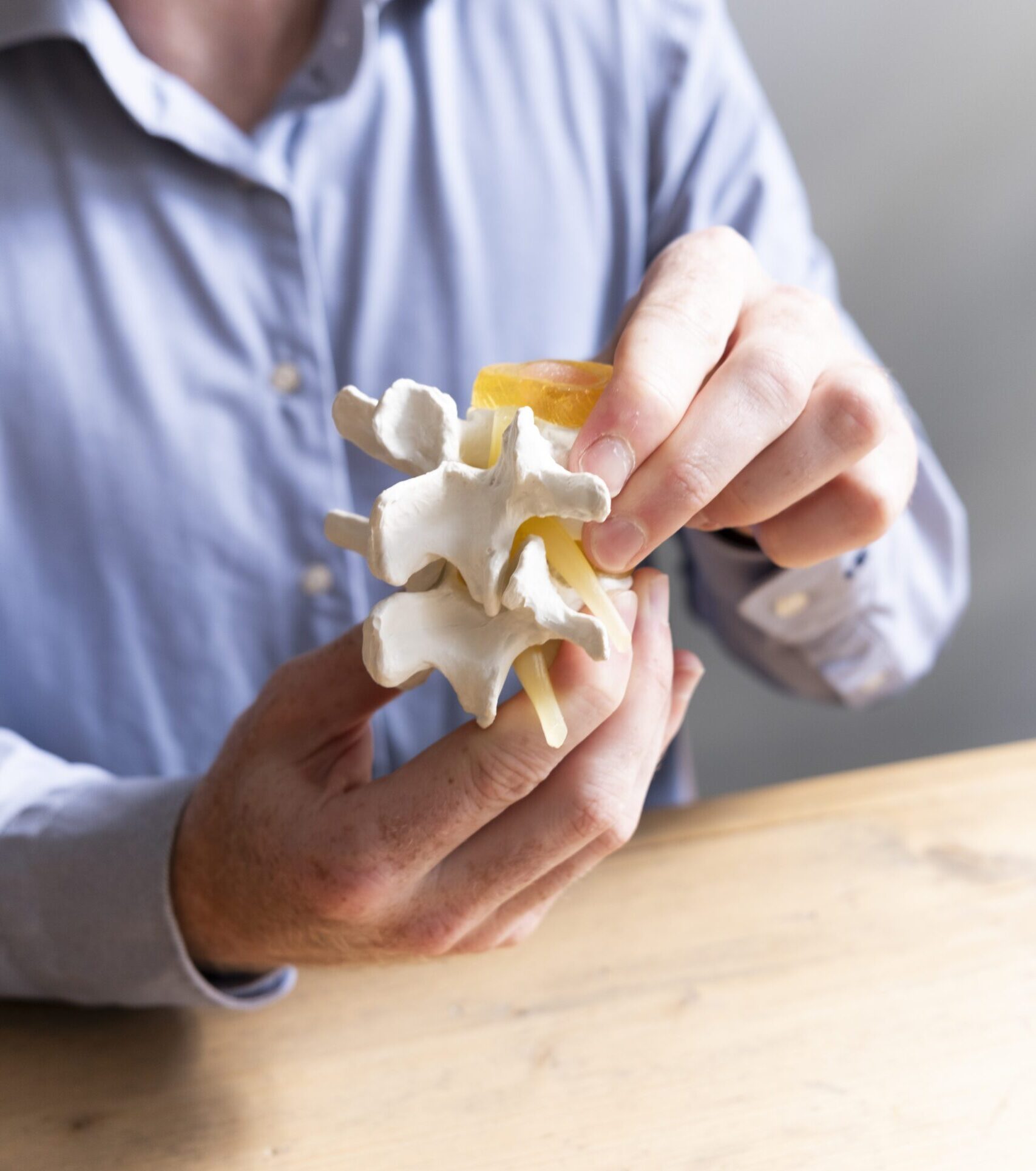
A subluxation is a disturbance in the normal movement or position of a vertebra in the spine. This is not a complete dislocation, but a subtle imbalance that can affect the surrounding nerves, muscles and joints. Because the spine protects the nervous system, such a disruption can reduce communication between the brain and the body.
Many people have subluxation without experiencing it directly as pain. Yet it can cause the body to function less efficiently, which can eventually manifest itself in symptoms such as stiffness, fatigue, headaches or reduced range of motion.
What is the meaning of subluxation?
The meaning of subluxation within chiropractic goes beyond just a “misaligned vertebra”. It is about the overall effect on the nervous system. When a vertebra does not move optimally, it can cause tension on nerves. These nerves send signals to muscles, organs and tissues. Disrupted stimulus transmission can therefore affect how the body adapts, recovers and functions.
Chiropractors therefore look not only at the site of the subluxation, but also at the cause. Prolonged stress, incorrect posture, a fall or repetitive strain can all contribute to its occurrence.
What is a subluxation of the spine?
A subluxation of the spine means that one or more vertebrae have lost their normal movement pattern. This can occur in the neck, the chest region or the lower back. Because each vertebra is connected to specific nerve pathways, the location of the subluxation can determine the symptoms a person experiences.
In the neck, for example, this may be related to headache or shoulder pain, while a subluxation in the lower back may affect mobility or radiation to legs and hips. The body often compensates, which can cause additional tension in other places.
Correcting with chiropractic
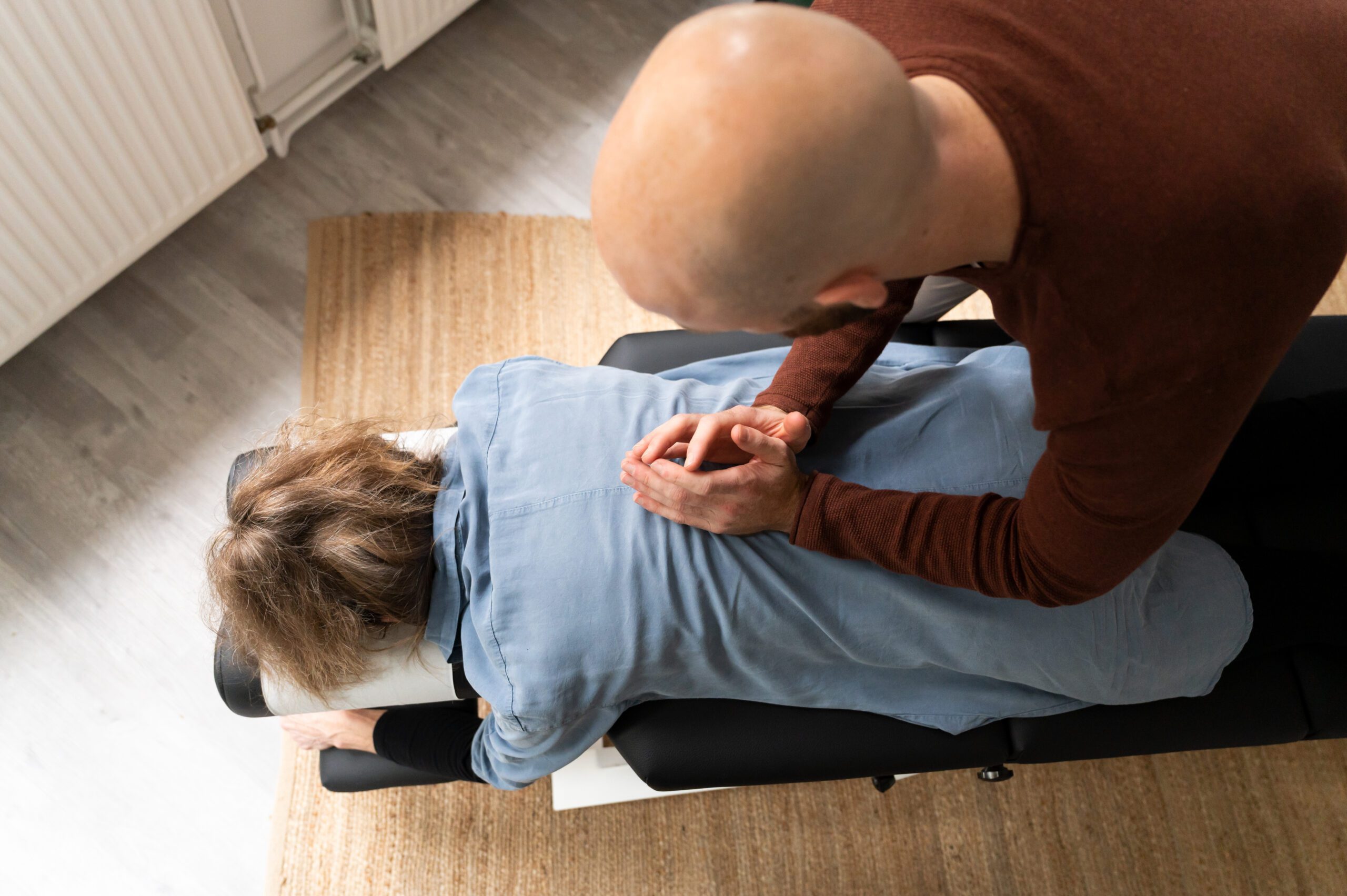
Chiropractic focuses on detecting and correcting subluxations. Through specific, controlled corrections, the vertebra's mobility is restored and the nervous system regains space to function optimally. This is done in a safe and precise way, tailored to the person's body and situation.
The aim is not only to reduce symptoms, but also to support the body's self-healing ability. Many people experience more freedom of movement, less tension and improved general well-being over time.
Those who want to gain a better understanding of what a subluxation means for their own body may find that chiropractic is not just focused on symptom relief, but on improving overall balance and function. It is precisely this broader approach that makes chiropractic care a valuable addition to many people's health.