
High back pain: What are the causes and how can chiropractic help, even after sleep
High back pain is an annoying complaint that affects many people. As the name suggests, the pain is felt in the upper part of the back and between the shoulder blades. The pain can also radiate to the neck, shoulders or even the chest. High back pain is often caused by a combination of incorrect posture, stress, overuse, or injury. In this blog, we take a closer look at the causes of high back pain and how chiropractic care can help relieve and prevent these symptoms. Do you regularly wake up with pain in your upper back? Then you are not the only one. High back pain after sleeping is a common problem and can get your day off to an immediately unpleasant start.

What is high back pain?
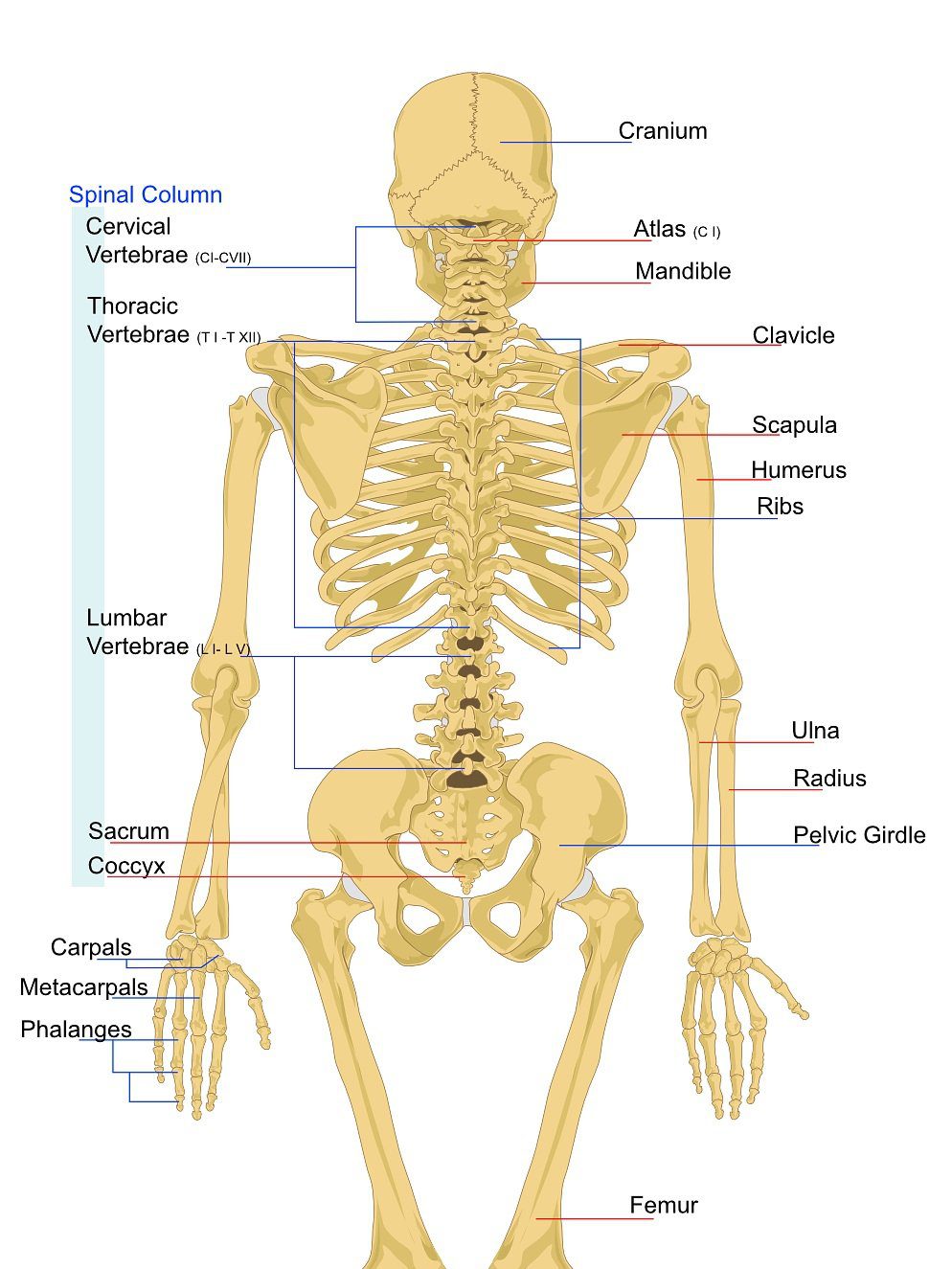
High back pain occurs in the thoracic region of the spine, which is located above the lower back and below the neck. This area consists of 12 vertebrae and is designed to provide stability to the upper body. Pain in this area can manifest as a dull ache, sharp stabs, tension, or even a burning sensation. Some people additionally experience stiffness or limited range of motion. High back pain between shoulder blades is also common.
The symptoms of high back pain can vary, depending on the cause and severity of the condition. Common symptoms include a dull or sharp pain between the shoulder blades, stiffness in the upper part of the back, difficulty performing certain movements and muscle tension or muscle cramps
Because high back pain is often complex and can have multiple causes, a medicine that looks at the spine as a whole, such as chiropractic, is often effective in addressing these symptoms.
Causes of high back pain
There are several factors that can cause high back pain. The most common causes are:
Poor posture/posture: Poor posture is a major cause of high back pain. Prolonged sitting or standing with a bent back, or leaning back without correct back support, can put pressure on the spine. Especially people who work at a desk for long periods or use their mobile phones or laptops a lot are more likely to develop (chronic) high back pain.
Overload or injury: lifting heavy objects with the wrong technique or sports injuries can put heavy strain on the upper part of the back. Overuse of muscles and tendons or mild sprains in this area can lead to pain and stiffness.
Hernia in the upper back: although a hernia more common in the lower back, a herniated disc can also occur in the upper back. In a herniated disc, a bulging intervertebral disc presses against nerves, which can lead to pain, numbness and also muscle weakness in the upper back and shoulders.
Problems in the spine: abnormalities in the vertebrae, such as scoliosis or kyphosis, can lead to unbalanced strain on the muscles and joints, causing back pain. Wear and tear of the vertebrae due to age can also play a role.


Common reasons for back pain after sleeping
Poor sleep position
This is the most common cause of back pain when waking up. Incorrect posture while sleeping can put pressure on your spine and muscles. In particular, sleeping on your stomach without proper support can aggravate back pain.Wrong mattress or pillow
A mattress that is too hard or too soft can not adequately support your back. The wrong pillow can also cause your neck and upper back to lie in an unnatural position. If you often suffer from high back pain after sleeping, it may be a good idea to go to a specialised bed specialist to get advice on a suitable mattress and pillow for your body type and sleeping position.Muscle and joint stiffness
When you lie still for a long time, your muscles and joints can become stiff. This can occur especially if you do not move much during the day.Stress and tension
Mental stress can manifest physically in the form of muscle tension in the upper back, which can worsen while sleeping. Notice that you 'hold' a lot of stress and tension in your body? Try working on this through yoga, breathing exercises or meditation, for example.
Solutions for high back pain after sleep
Improve your sleeping posture
Try sleeping on your side with a pillow between your knees or on your back with a pillow under your knees to keep your spine in a neutral position.Invest in a good mattress and pillow
A mattress with the right firmness and an ergonomic pillow can help to properly support your back and neck.Do stretches before bed
Gentle stretching exercises help reduce muscle tension and prevent stiffness. It is good to do these exercises before going to bed, but it is of course even better to stay active during the day as well. If you cannot, try to make it a priority to move for at least one or two minutes every hourReduce stress
Relaxation techniques such as meditation or breathing exercises can help reduce stress-related muscle tension. If you find that you have too much stress structurally, try to find out whether you can change something in the situation or find a way to deal with the stress in a different way.Stay active during the day
Regular exercise, such as walking or yoga, can strengthen your muscles and reduce back pain.


How can a chiropractor help?
If you suffer from high back pain or high back pain between shoulder blades, it is advisable to seek help from a chiropractor. Chiropractic care focuses on correcting the spine. When all spinal joints are in the optimal position, the nervous system (which runs through the spine) can function optimally and the body can perform optimally. By correcting misaligned vertebrae, chiropractic can provide relief from high back pain and other aches and pains and can improve your posture.
A chiropractor performs specific adjustments, called chiropractic adjustments, to restore the vertebrae in your back to their correct position. In doing so, a chiropractor not only looks at your upper back, but at your entire spine. This is because it is often the case that you may feel pain in one particular spot, but the cause may lie elsewhere or in different places. These chiropractic adjustments relieve pressure on the nerves and improve spinal flexibility. This helps reduce tension and pain in the upper back and promotes good blood flow to the area, which supports healing. Since poor posture is a major cause of high back pain, a chiropractor will also analyse your posture and give advice on how to improve it. In fact, besides improving your posture through the adjustments, it is also important to work on this yourself. Chiropractors can also prescribe targeted exercises and stretches that help strengthen the back muscles and support the spine. Exercises such as stretching and stabilising exercises help make the upper back more flexible and relieve tension in the muscles.
Benefits of chiropractic care
There are several benefits of chiropractic care for high back pain. By properly aligning the vertebrae in the back, it relieves pressure on the nerves and reduces pain and tension. Chiropractic care also helps restore good posture, which is essential for preventing recurrent back pain. Chiropractic is a natural and non-invasive healing method to relieve high back pain, without the need for surgery or medication. By supporting the body's natural healing process, chiropractic can speed up the recovery process of back injuries and reduce long-term symptoms. In addition, chiropractic has many other benefits, including improved (sports) performance, improvement in sleep and overall well-being. On our website, you can read more about what chiropractic can do for your overall health.


For whom is chiropractic suitable?
Chiropractic is suitable for people of all ages who suffer from upper back pain. At our own Practical work in Den Bosch we see babies as young as a few days old, but our oldest patient is as old as 96! Chiropractic is a safe and effective treatment method, both for acute and chronic back pain. Moreover, chiropractic can also be used preventively by keeping the body balanced and preventing future injuries.
If you suffer from persistent upper back pain, or if the symptoms limit your daily activities, it is wise to consult a chiropractor. A chiropractor can identify the cause of your symptoms and draw up a tailor-made treatment plan tailored to your situation. That way, you can move freely again without the hindrance of back pain, and have energy again for the things you enjoy!


